The platform grew out of a narrow problem, warning workers and oncoming drivers before a work-zone intrusion occurs and the sensing architecture built to solve it turns out to generalize far beyond the shoulder of a highway.
Applied Research Associates (ARA) serves as engineering lead across every phase of this program, and the platform's credibility rests on that foundation: ARA's sensor fusion, radar, and systems-integration work is what takes this from a single-purpose warning device to a multi-domain public-safety sensing network.
The sections below extend the same core stack: radar, camera, lighting, signage, and connectivity, engineered under ARA's direction, into five adjacent application areas, each illustrated with a sample graphic from an established player already operating in that space.

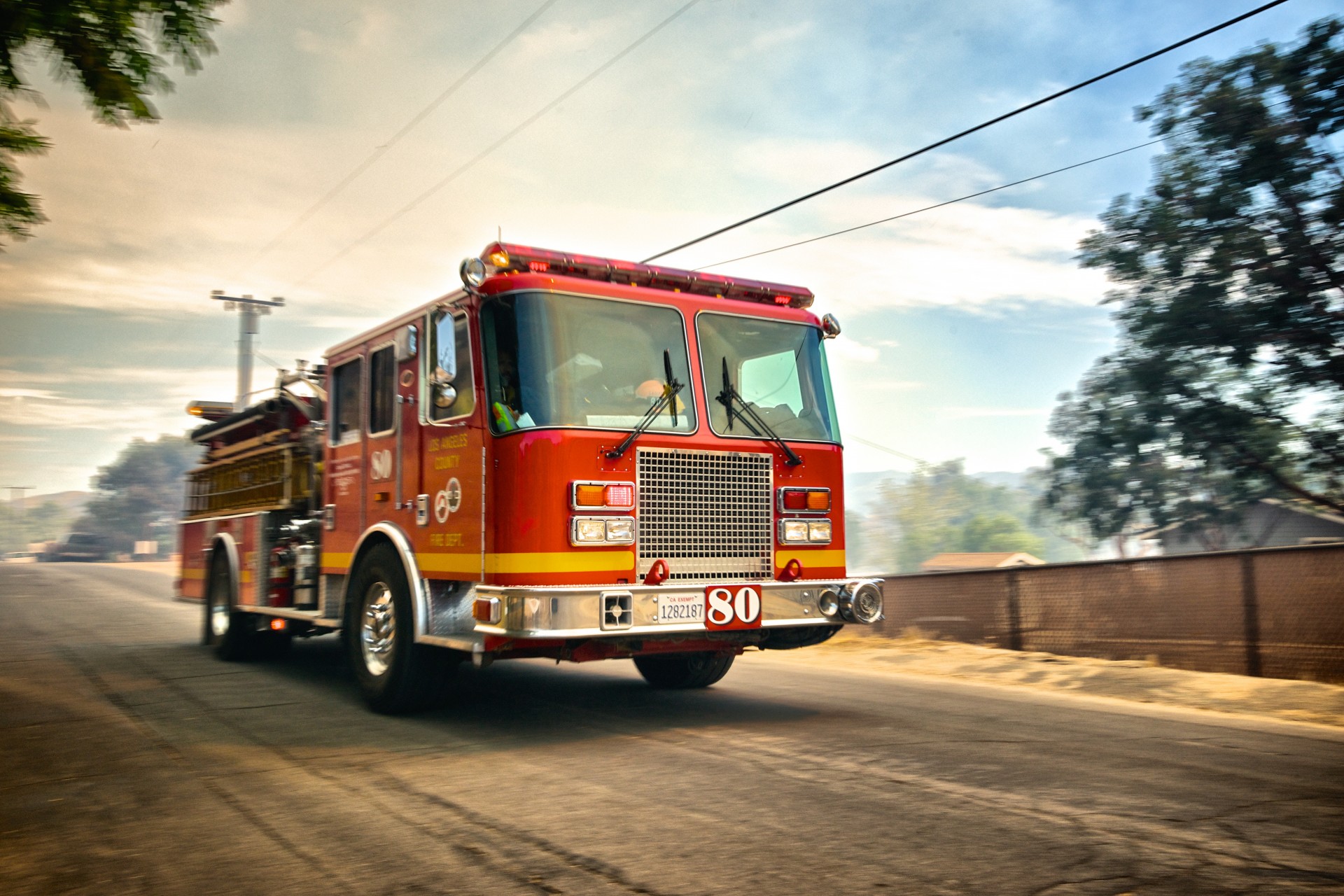
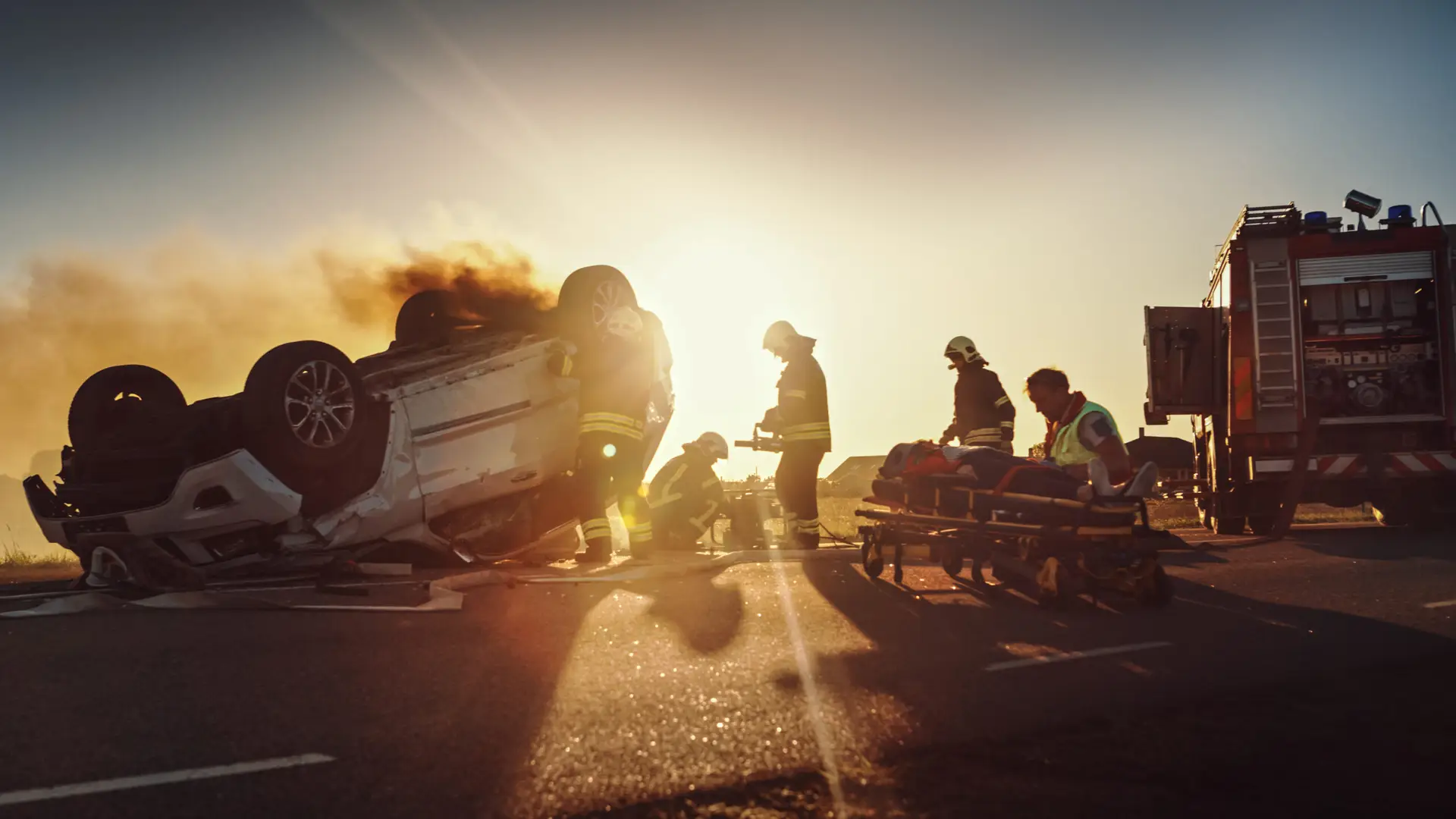
First responders operate in the same intrusion-risk environment the platform was built to solve, but the stakes compound: a scene that's already an active emergency now has to absorb uncontrolled traffic around it.
The same radar-and-signage warning logic that protects a work crew protects a fire, EMS, or law-enforcement scene on a live roadway, alerting approaching vehicles before they enter the response perimeter.

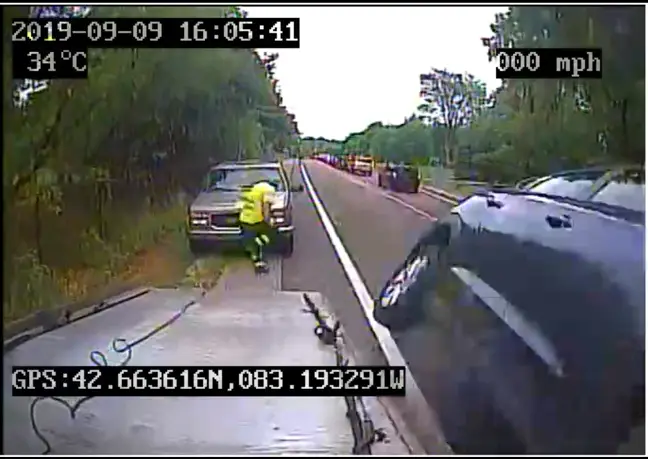
This is the platform's founding use case: detecting an oncoming vehicle failing to slow or divert around a work zone and triggering warnings: lighting, signage, and a worker's lighted safety vest in time to act.
It remains the baseline configuration against which every other application in this roadmap is measured.
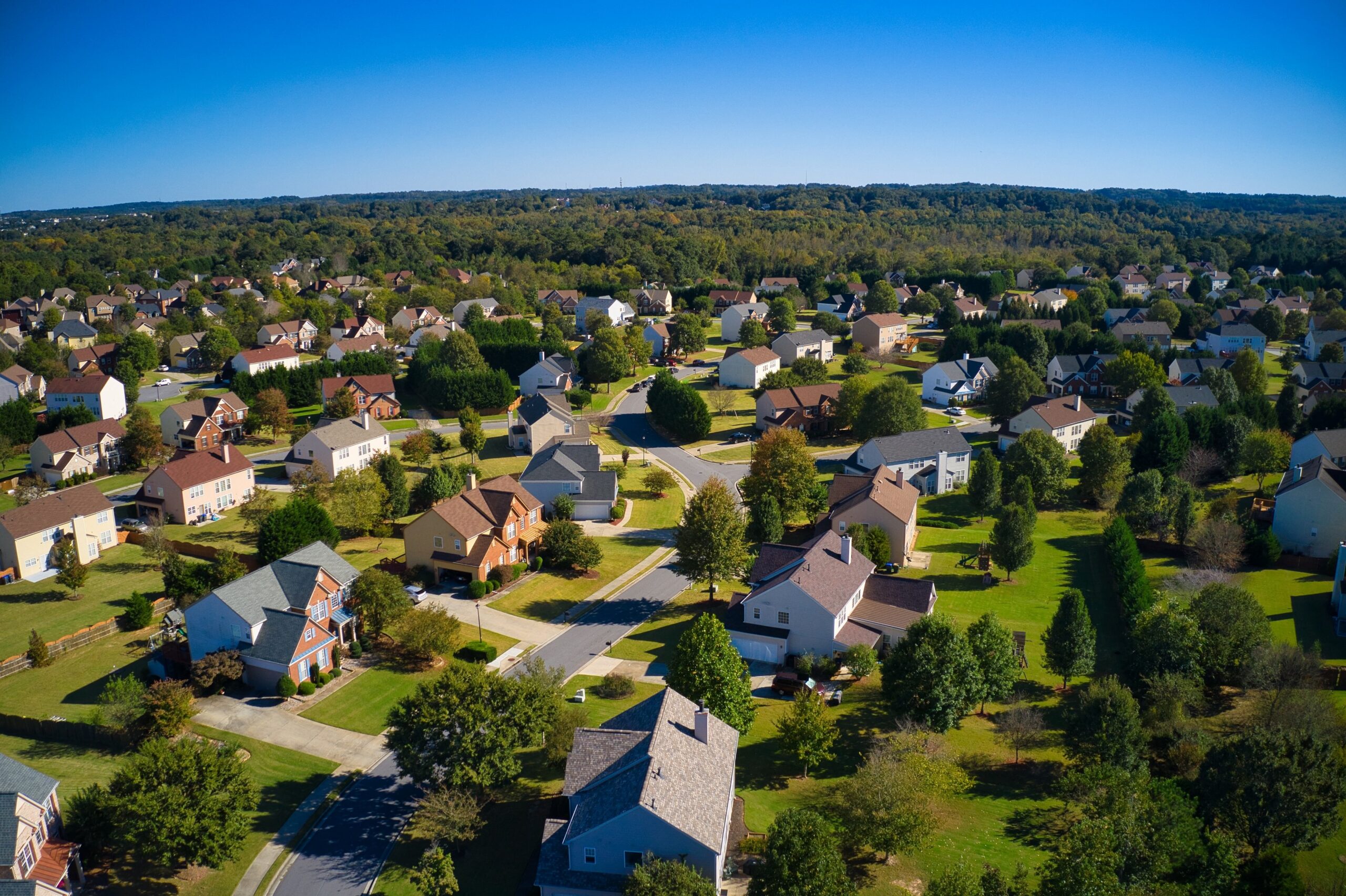
Beyond a single work zone, the same sensing and alerting logic scales into a distributed network: cameras and detection nodes that share data across a neighborhood or district rather than operating as isolated units, turning individual observation points into a coordinated safety layer.
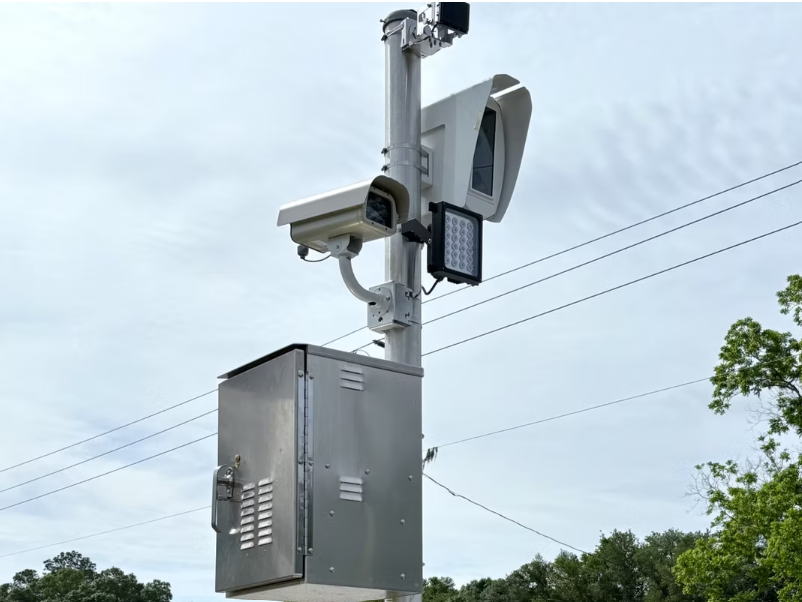
The platform's detection layer applies as readily to enforcement as to warning: radar- and camera-based speed and violation capture, feeding directly into a ticketing and citation workflow. It's the same sensing core, pointed at compliance rather than collision-avoidance.
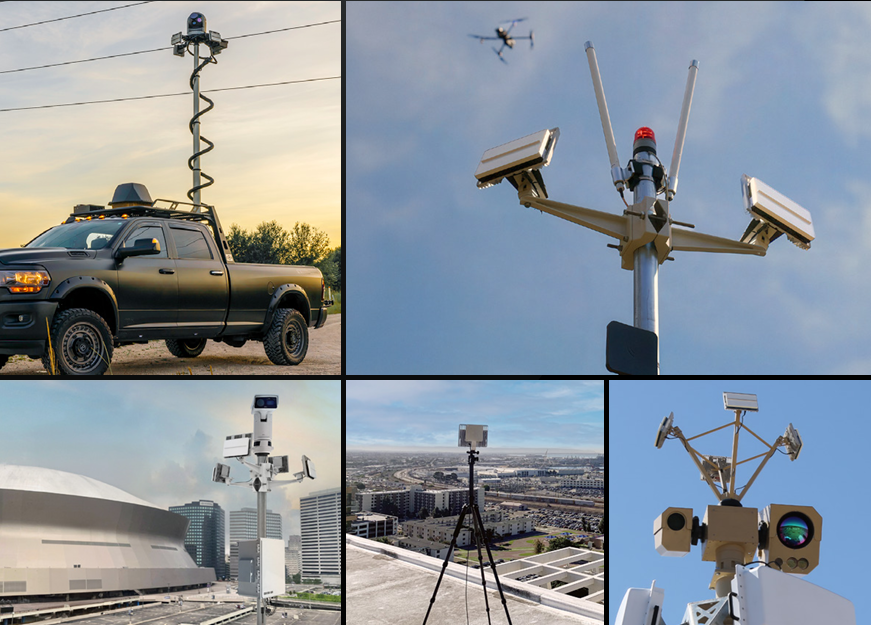
At the outer edge of the roadmap, the underlying radar/lidar sensing capability extends past the roadway entirely, into land, sea, and air (drone) detection for broader critical-infrastructure protection.
This is where ARA's engineering depth matters most: the same phased-array and multi-domain detection principles used to spot an oncoming vehicle scale up to airspace and perimeter awareness for higher-value sites.
ADRAS intends to serve as a holistic system to enhance roadway safety for emergency personnel by alerting drivers as they approach emergency scenes and giving them specific collision avoidance instructions; additionally, it provides responders a warning of inbound vehicular threats with sufficient lead-time to take protective action. ADRAS uses an extendable mast with mounted radar and loudspeaker to accomplish these tasks.
ARA’s ADRAS system was initially developed through the U.S. Department of Homeland Security First Responder Technologies Division. It was tested and independently validated by the National Urban Security Technology Laboratory through operational field assessment that allowed responders to test the prototype in operational scenarios.
Applied Research Associates, Inc. (ARA) is globally recognized for applying technically excellent, in-depth, and diversified research, engineering, and technical support services to provide answers to complex and challenging problems in the physical sciences. We approach every project as an opportunity to go beyond expectations by delivering mission critical solutions that accomplish objectives and also lead to new possibilities.
MOAWS (Move Over Awareness Warning System) is designed to prevent roadside fatalities and injuries to first responders, Police, Towing, Fire, bridge, and roadside workers. The system accomplishes this by detecting collision imminent traffic and warning the first responder as well as broadcasting audible and visual warnings to the approaching traffic.
The proprietary system combines radar and LIDAR detection capabilities to alert responders to potentially dangerous traffic situations. The on-board algorithm monitors data from the environment to identify potentially risky conditions created by on-coming traffic. First responders are alerted to potential danger with both an audio siren and visual strobes. The integrated wireless custom safety vest also broadcasts the operator’s location with pulsing LED lights.
MOAWS operates independently from the first responder vehicle systems and is not related to other safety/surveillance equipment installed on first responder vehicle. Other key features include patented and patent pending integration technologies.
Key features of the MOAWS system include:
~ Identifying potential risk conditions
~ Warn driver/operator of potential risk so they can move to a “safety zone"
~ Broadcast an elevated alert signals to on-coming traffic with a siren and strobe lights
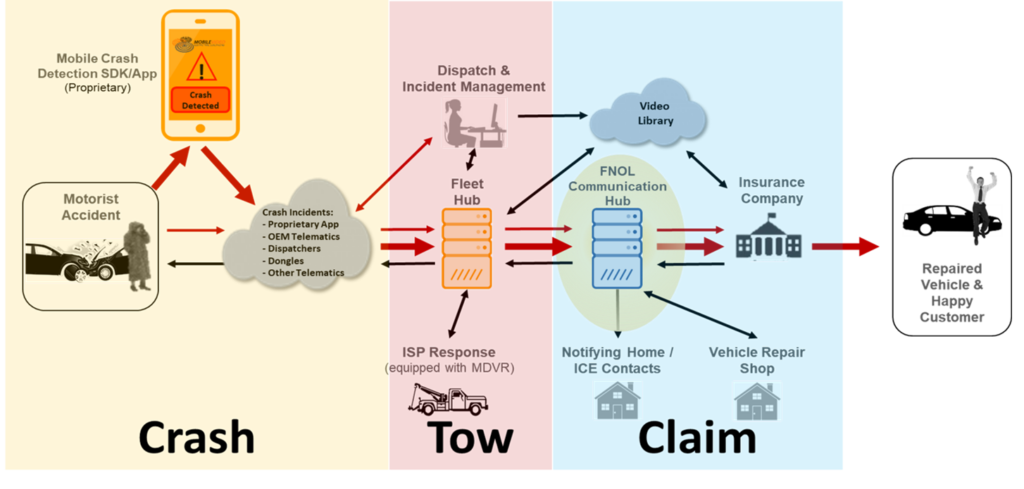
First Notification Of Loss (FNOL)
~ Patented process using mobile app-based crash detection & incident dispatch response of video camera-equipped tow vehicles to scene. Automated video & image data collection of accident scene & vehicles from vehicle-mounted & driver-carried connected cameras to Fleet Hub cloud platform.
Auto Accident Reporting
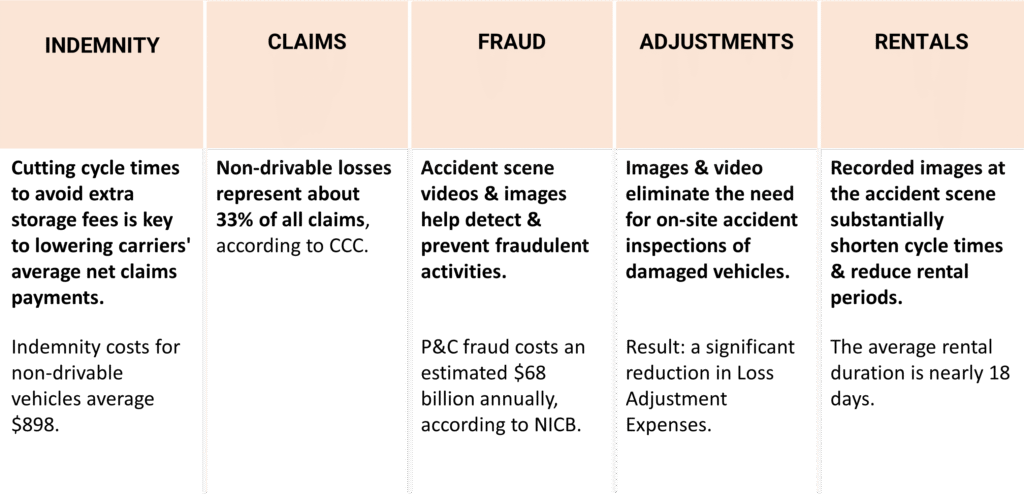
~ Providing customers with vehicle accident scene, incident & damage videos-on-demand to support internal processes & litigation.
Accident Damage Estimate
~ Use of accident scene videos & third-party estimating services to quantify repair estimates.
Installation Technology
~ Vehicle video system designs with specially-engineered harnesses & equipment to facilitate the FNOL requirements & business model.
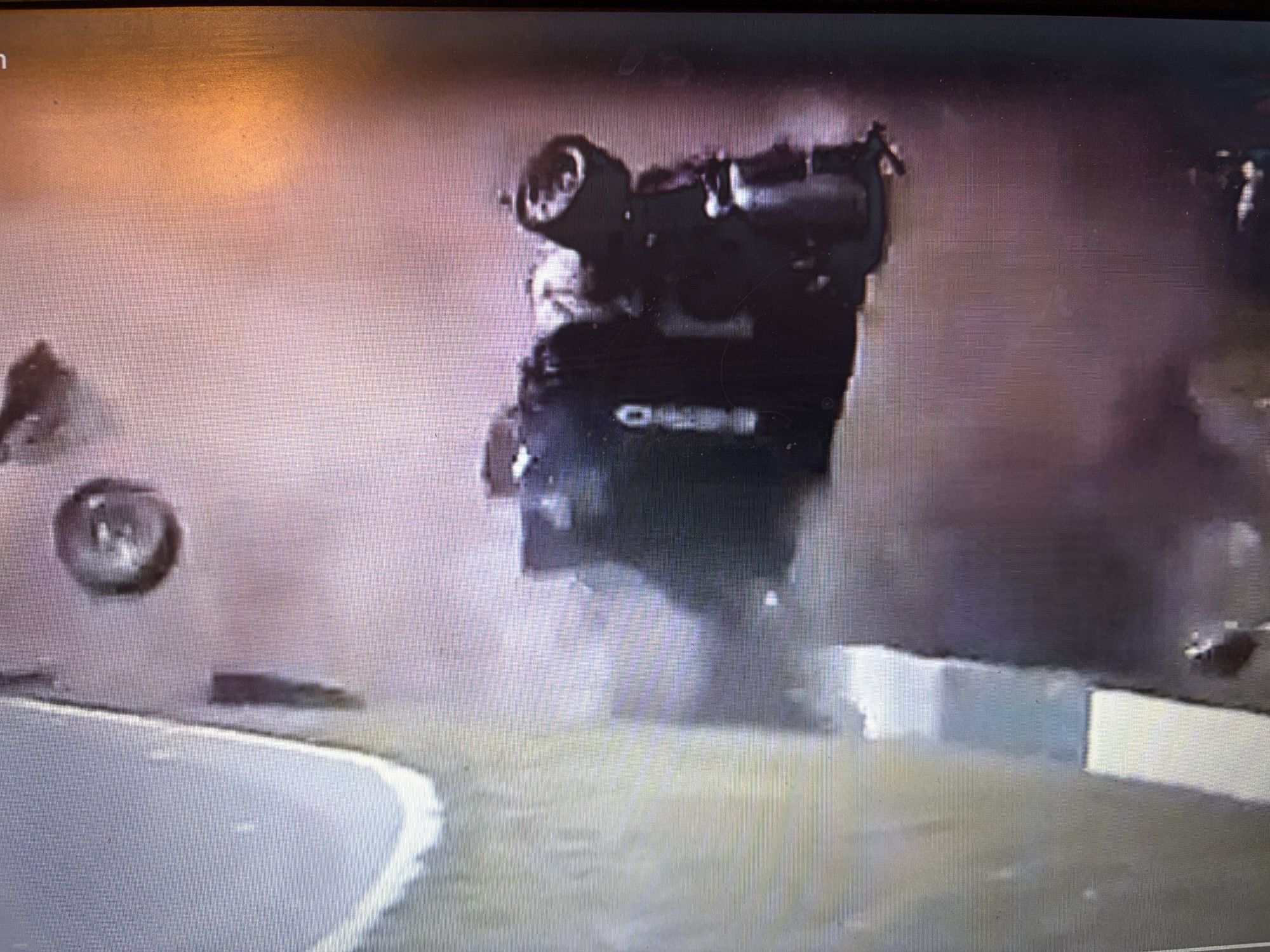
During the Chrysler Mosport Grand Prix of Canada in 1995, Scott Watkins was involved in a career changing accident.
As a result of attempting to solve the cause of the accident, Watkins went on to produce numerous safety systems.
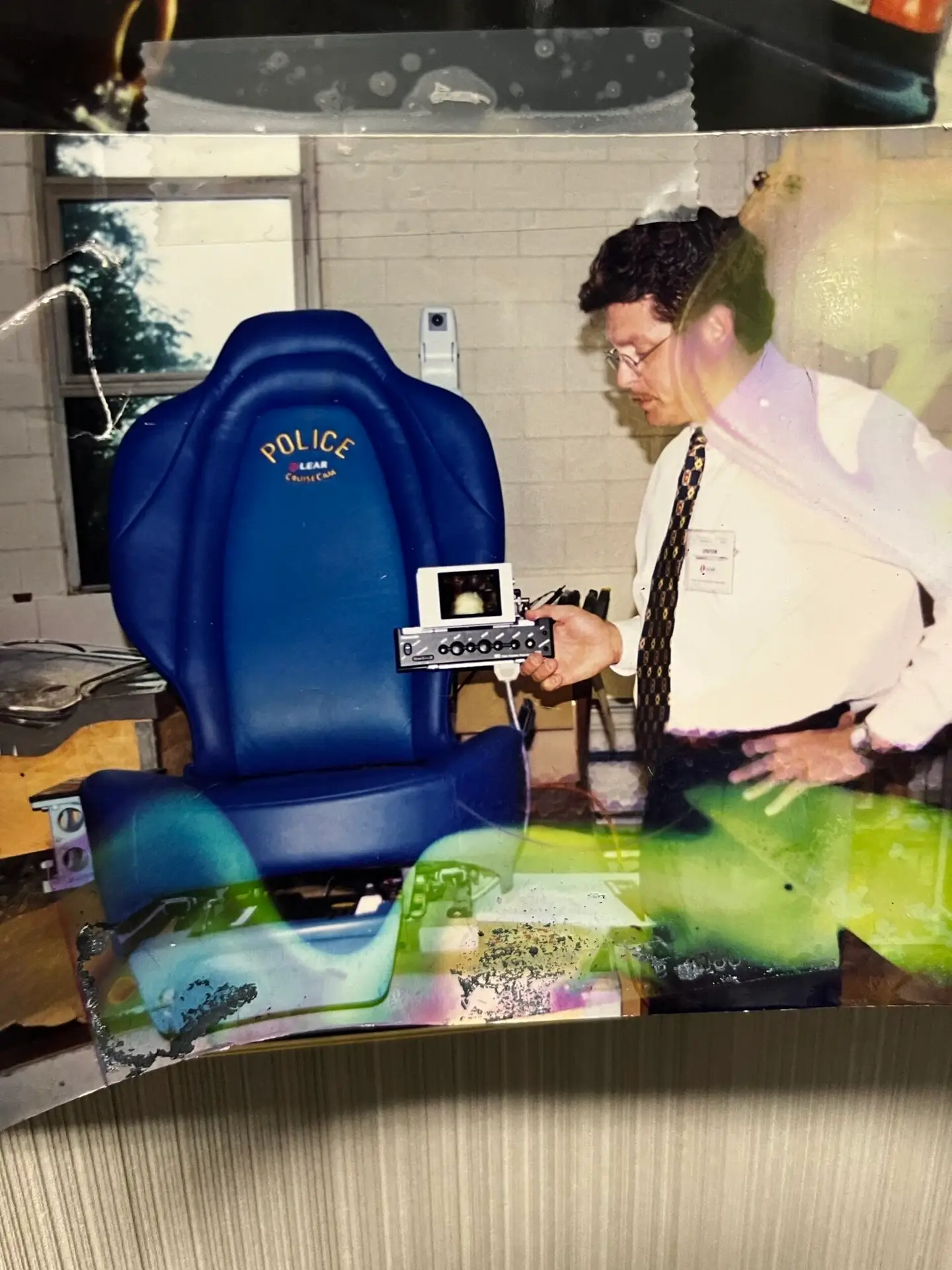
Over the last 30 years we have received the issuance of 23 patents and created product solutions for Lear, Ford, GM, USPS, Delphi and Volvo.
Today, we are focused on the use of technology for the advancement and safety of road crews, first responders and roadside workers.